

Close Menu
Robots Daily

    Subscribe to Updates

    Stay informed on China’s robotics industry, from humanoid robots and embodied AI to new products, companies, and real-world deployments.

    What's Hot

    Unitree UnifoLM-WLA-1.0: 6B Model for 64 Humanoid Robot Tasks

    September 11, 2026

    XPENG Starts Humanoid Robot Production Line: IRON Walks Off Unassisted

    September 9, 2026

    China Unveils What It Calls the World’s First Wheel-Legged Guide Robot

    September 7, 2026
    Facebook X (Twitter) Instagram
    Robots DailyRobots Daily
    Facebook X (Twitter) YouTube
    Subscribe
    • News
    • Robots
      • Humanoid Robots
      • Industrial Robots
      • Collaborative Robots (Cobots)
      • Mobile Robots (AGVs & AMRs)
      • Service & Consumer Robots
      • Medical & Healthcare Robots
      • Field & Specialized Robots
      • Drones & UAVs
    • Tech & Components
      • AI & Software
      • Actuators & Reducers
      • Motion Control
      • Vision & Sensors
      • End Effectors
      • Processors & Computing
      • Power & Batteries
    • Case Studies
      • Manufacturing
      • Logistics & Warehouse
      • Healthcare
      • Agriculture
      • Commercial & Service
    • Features & Analysis
      • In-depth Reports
      • Industry Trends
      • Startup & Investment
    • Reviews
      • New Robot Launches
      • Product Reviews
      • Top Robot Rankings
    • Events & Community
    • Contact us
    Robots Daily
    Home»News»Chinese Robots Are Blocked From the U.S. Market. Silicon Valley Engineers Are Filling Suitcases With the Parts Instead
    News

    Chinese Robots Are Blocked From the U.S. Market. Silicon Valley Engineers Are Filling Suitcases With the Parts Instead

    Robots DailyBy Robots DailyAugust 12, 2026No Comments3 Mins Read
    Facebook Twitter Pinterest Telegram LinkedIn Tumblr WhatsApp Email
    Silicon Valley Engineers Are Filling Suitcases With the Parts Instead
    Share
    Facebook Twitter LinkedIn Pinterest Telegram Email

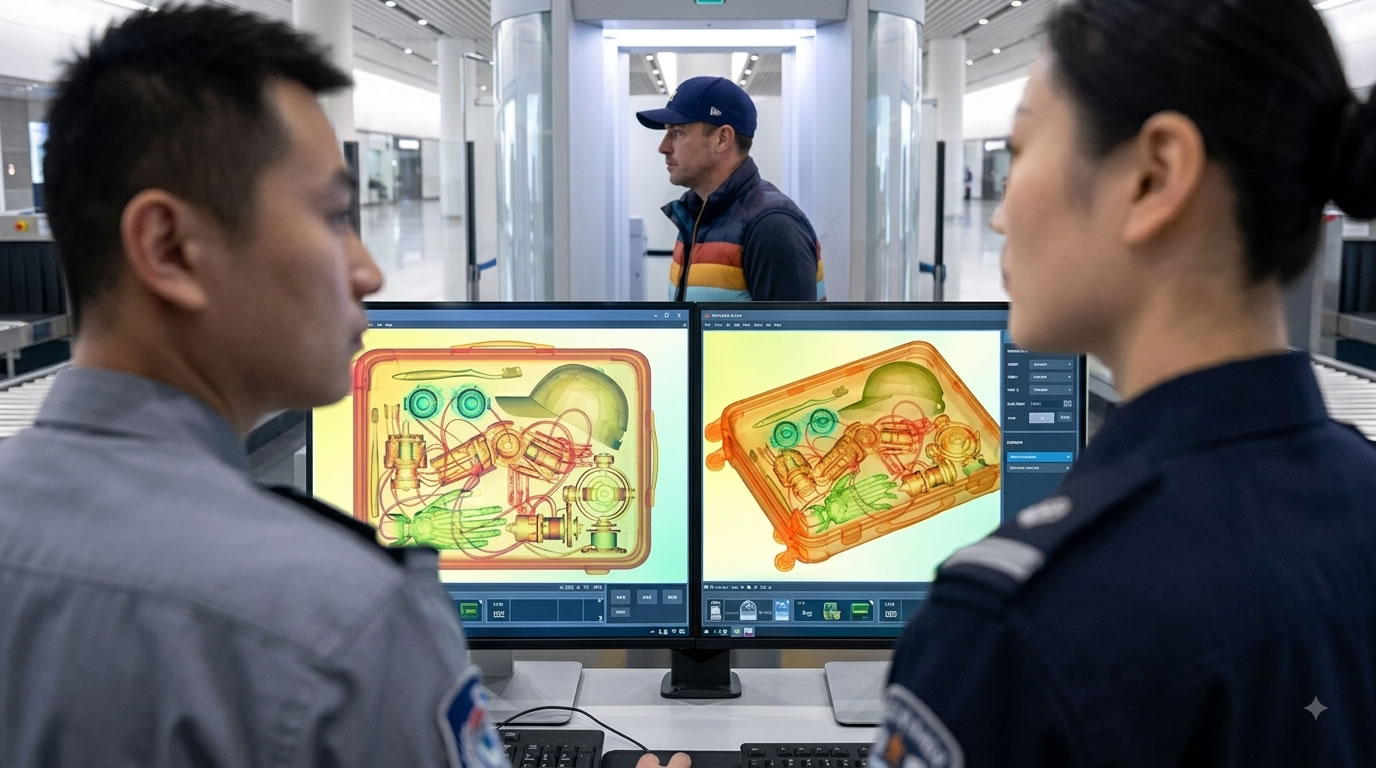
    When Washington slammed the door on fully assembled Chinese robots, engineers in Silicon Valley found a scrappier workaround: fly to Shenzhen, fill a suitcase with robot parts, and fly home on a commercial flight.

    On July 28, 2026, the U.S. Federal Communications Commission updated its “Covered List,” adding foreign-made advanced robotic equipment to the ban. New models of Chinese robots are now all but locked out of the U.S. market. But the restrictions target covered robotic devices rather than the broad range of components used to build them. Reducers, servo motors, sensors and other critical parts are largely outside the scope of the new rules — and the United States cannot easily replace many of those Chinese-made components anytime soon.

    That gap exposes the most fragile link in America’s robotics industry.

    Morgan Stanley estimates that China accounts for 63% of the global humanoid robot supply chain, with particularly strong positions in motors, reducers, sensors, bearings and other core components. Chinese manufacturers accounted for more than 97% of global humanoid robot shipments in the first half of 2026.

    Tesla’s Optimus is the textbook example. Industry teardown data shows roughly 70% of Optimus’s core components come from Chinese suppliers. Strip out those Chinese parts, and the per-unit cost would leap from $46,000 to $131,000 — miles above Tesla’s $20,000 target price. China has also made major gains in localizing reducers, servo systems and controllers, three of the core building blocks of robot hardware.

    With official channels sealed off, American companies haven’t paused. The Information has reported that a growing number of U.S. entrepreneurs and investors are now shopping for humanoid-robot components in Huaqiangbei. Once the shopping is done, the parts are disassembled, sorted, packed into personal luggage and carried back to the U.S. on commercial flights.

    One investor on a business trip to China was handed a long shopping list by colleagues back in the U.S. and had to break the purchased parts down just to squeeze everything into a suitcase. The practice has grown so common that a new breed of middlemen has appeared in Silicon Valley — operators who bundle small orders from American buyers into production-sized batches and have them manufactured by Chinese contract factories.

    Jeff Cardenas, CEO of humanoid robotics developer Apptronik, put it bluntly: “In China, every supporting factory is within driving distance. If American companies want to survive the next stage of competition, they need to build a regional manufacturing base similar to Shenzhen.”

    The hard part is that an “American Shenzhen” cannot be conjured by policy bans in short order. China’s supply-chain advantage is built on decades of manufacturing buildup, the gravity of industrial clusters, and a deep bench of engineers. In 2025, China exported $8.03 billion worth of industrial robots, claiming 11% of the global market and overtaking Germany as the world’s second-largest industrial robot exporter.

    Suitcase runs won’t work forever. As humanoid robots move from the lab to mass production, component demand will scale from thousands of units to tens of thousands, even hundreds of thousands. At that volume, suitcases will be far too small to carry America’s robotics needs.

    A ban can stop finished machines. It cannot stop a global supply chain that relies on Chinese manufacturing out of sheer necessity. That reality doesn’t bend to an executive order.

    Apptronik Chinese robot components Chinese robots FCC Covered List Huaqiangbei humanoid robot supply chain Robot Manufacturing robot parts Robotics Supply Chain Shenzhen robotics Silicon Valley robotics Tesla Optimus U.S. robotics market U.S.-China robotics
    Share. Facebook Twitter Pinterest LinkedIn Tumblr Email
    Robots Daily
    • Website

    Related Posts

    Unitree UnifoLM-WLA-1.0: 6B Model for 64 Humanoid Robot Tasks

    September 11, 2026

    XPENG Starts Humanoid Robot Production Line: IRON Walks Off Unassisted

    September 9, 2026

    China Unveils What It Calls the World’s First Wheel-Legged Guide Robot

    September 7, 2026

    Sharpa Robot Starts Work at DQ in Shanghai, Making Blizzards in 55 Steps

    August 31, 2026

    Humanoid Robots Break Multiple Human Records at the World Humanoid Robot Games

    August 24, 2026

    Unitree Shows G1 Table Tennis, Swarm Control and GD01 Rideable Mecha at WRC 2026 on IPO Day

    August 20, 2026
    Leave A Reply Cancel Reply

    Top Reviews
    New Robot Launches

    Unitree Unveils New Humanoid Robot With 12.66 m/s Top Speed and 2-Meter Jump

    By Robots Daily
    Mobile Robots (AGVs & AMRs)

    Unitree AS2-W Robot Dog Shows How Wheeled-Leg Robots Are Expanding Outdoor Mobility

    By Robots Daily
    Top Robot Rankings

    Best Chinese Humanoid Robots to Buy in 2026

    By Robots Daily
    Editors Picks

    Unitree UnifoLM-WLA-1.0: 6B Model for 64 Humanoid Robot Tasks

    September 11, 2026

    XPENG Starts Humanoid Robot Production Line: IRON Walks Off Unassisted

    September 9, 2026

    China Unveils What It Calls the World’s First Wheel-Legged Guide Robot

    September 7, 2026

    From Tool to Partner: How Large Models Are Rewriting the Rules for Humanoid Robots

    September 4, 2026
    Facebook X (Twitter) YouTube
    • Home
    • News
    • Case Studies
    • Features & Analysis
    • Events & Community
    • Reviews
    • Contact
    © 2026 Robots-Daily.com

    Type above and press Enter to search. Press Esc to cancel.