

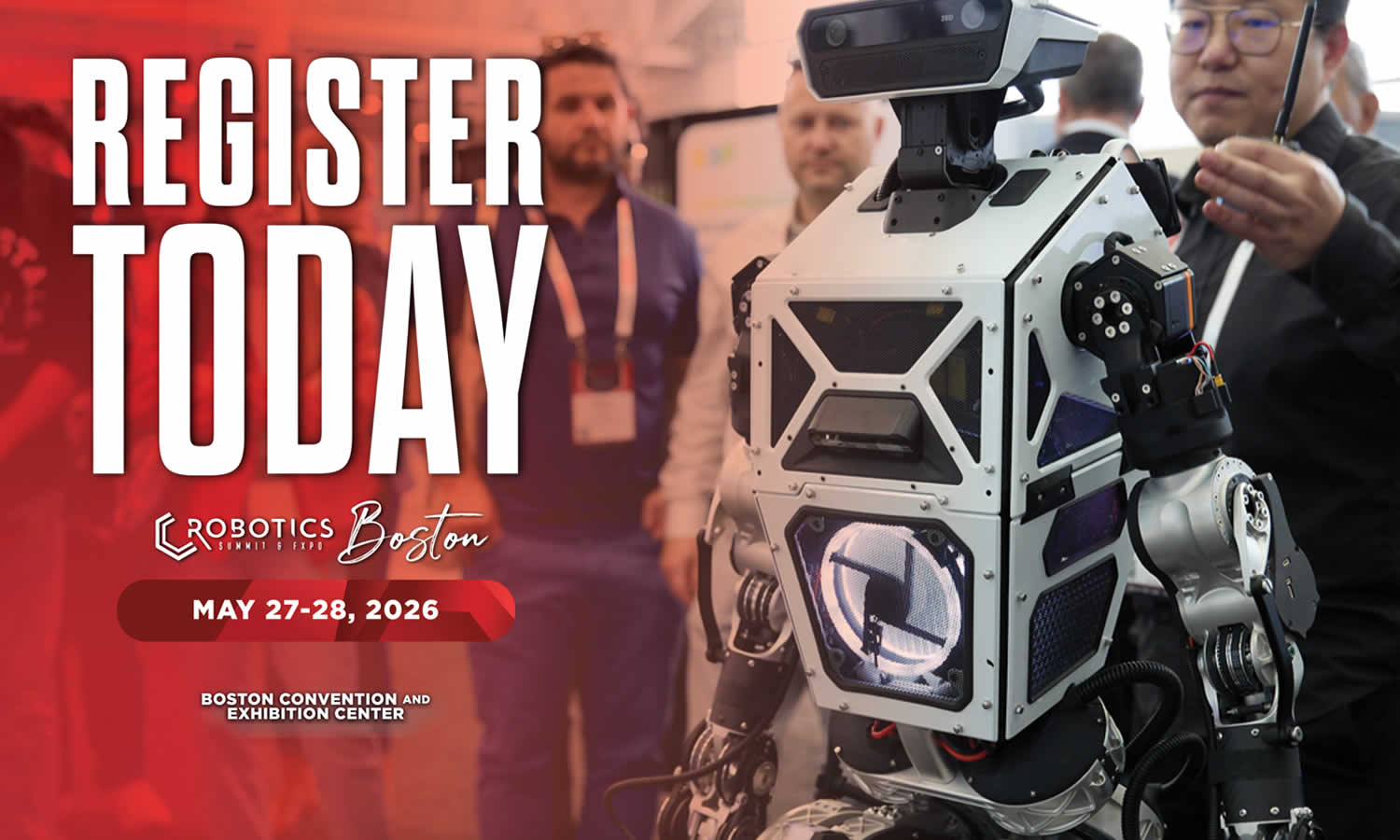

The 2026 Robotics Summit & Expo opens May 27-28 at the Boston Convention and Exhibition Center, and this year the buzz isn’t about what robots could do someday — it’s about what’s actually shipping.
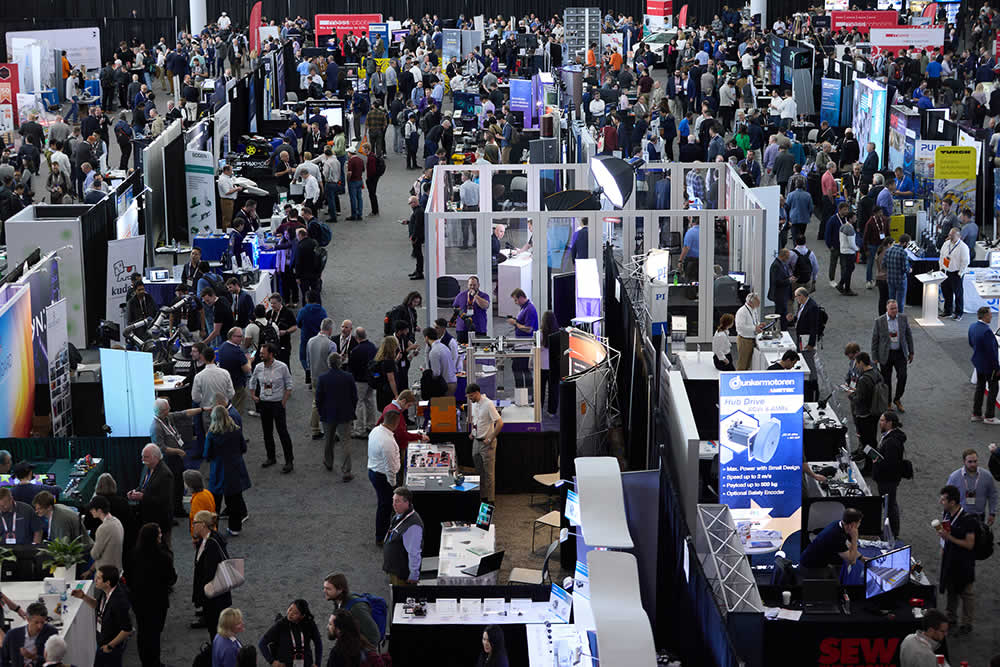
The event, run by WTWH Media, is set to draw more than 5,000 attendees and north of 200 exhibitors. The expo floor spans industrial automation, service robotics, AI infrastructure, and components, but the clear headliner is humanoid robots. After years of slick demo videos and pilot stunts, well-funded players are finally making the leap toward real production and paying customers.
Humanoid Robot Makers Showcase Commercial Progress
Boston Dynamics will be at Booth 758 with updates on Atlas, its all-electric humanoid. The company has spent the past year running the robot through early field trials with manufacturing and logistics partners and is now laying the groundwork for broader commercial deployment later in 2026.
Tesla is expected to show a pre-production build of Optimus Gen 3, the latest iteration of its humanoid platform. Agility Robotics will have updates on Digit, which is already handling repetitive material-handling tasks inside customer facilities. Figure AI plans to introduce Figure 03, its newest humanoid built around AI-driven grasp-and-learn capabilities — the pitch being less programming, faster deployment.
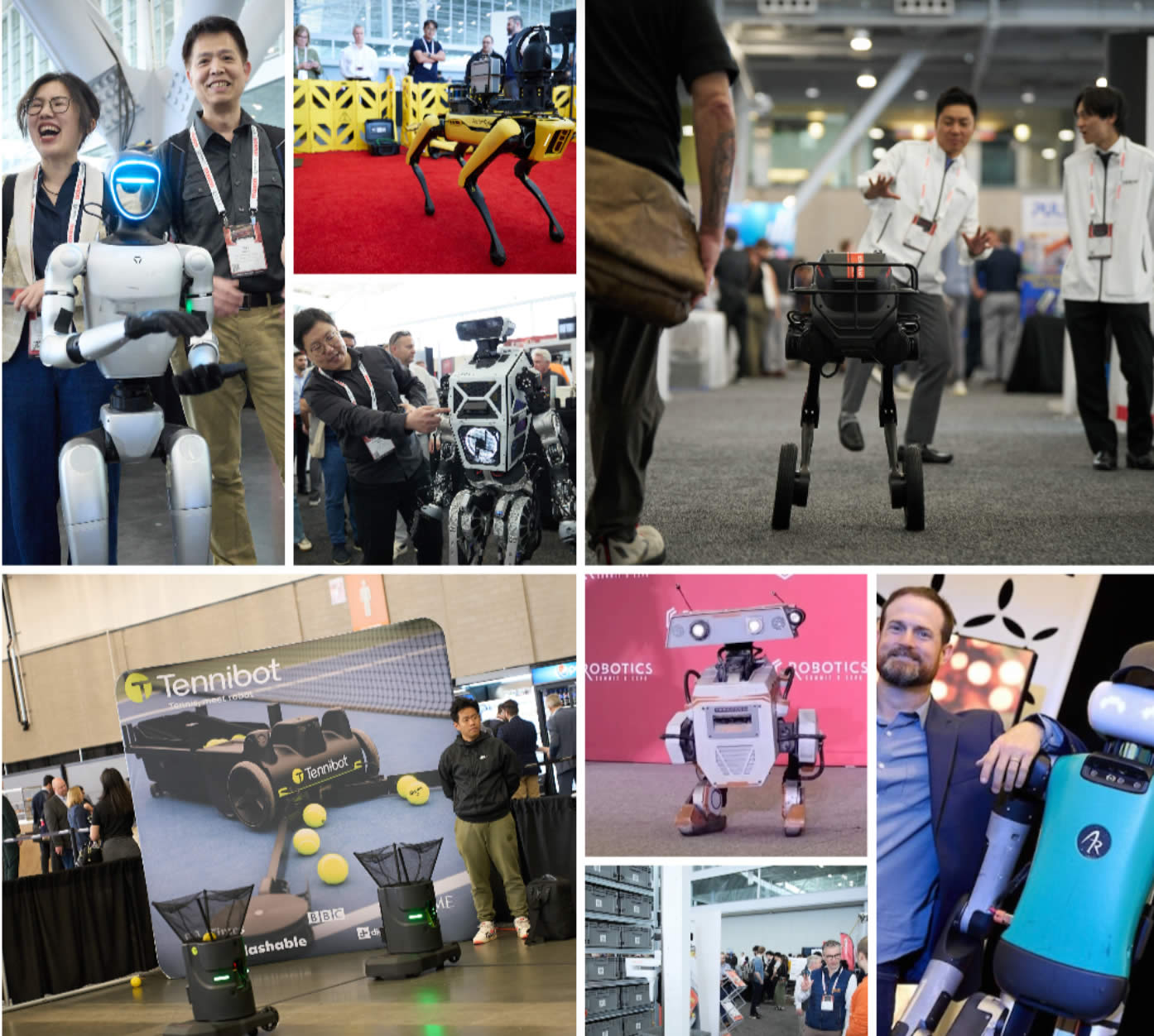
Chinese Humanoid Players Expand Global Footprint
Chinese firms are making a noticeably stronger showing this year. Unitree Robotics will demo its low-cost G1 humanoid, which has been turning heads on price. Fellow Chinese companies DeepRobotics and Star Dynamic Era are also slated to give updates on their commercial roadmaps and early delivery numbers.
From Pilots to Production: The Industry Shift
The conference side of the event is stacked with sessions on real-world humanoid robot deployment: where the technology actually fits in manufacturing, logistics, and service environments, what’s still breaking in the field, and how the supply base is scrambling to catch up.
Across the industry, executives and analysts point to the same tailwinds: AI is getting useful faster than expected, hardware costs are coming down, and capital is still flowing. Nvidia‘s toolchain, in particular, is shaping up to be the compute backbone for a lot of next-gen robotics programs.
The expo arrives at a moment when the conversation has clearly shifted — less “look what we built,” more “here’s where it’s working.”
